1) Tangier
Area, Afternoon Tour
Wednesday 25th, 18:00 h
The first scheduled social
event is a guided visit to the old Medina, Museum Al Kasbah, Café El Hafa, and
Cap Spartel. Buses will leave from the front door of the Mövenpick Hotel at 18:00. This visit is included in the
registration fee.
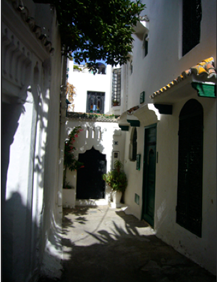
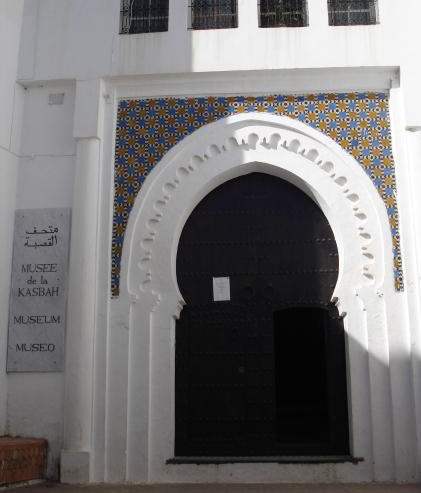
Museum Al Kasbah. Le Palais de la Kasbah called
"Dar-al-Makhzen" or Sultan's Palace, occupies the eastern part of the
Kasbah of Tangier. Due to its strategic position, the site surrounding the
palace was used by the Carthaginians and Romans as evidenced by a legend
according to which a temple of Hercules stood there.
Due to its architectural structure and composition,
this monument is the type of Moroccan mansions whith an open sky court, large
garden, and where the distinction between private and public space are the main
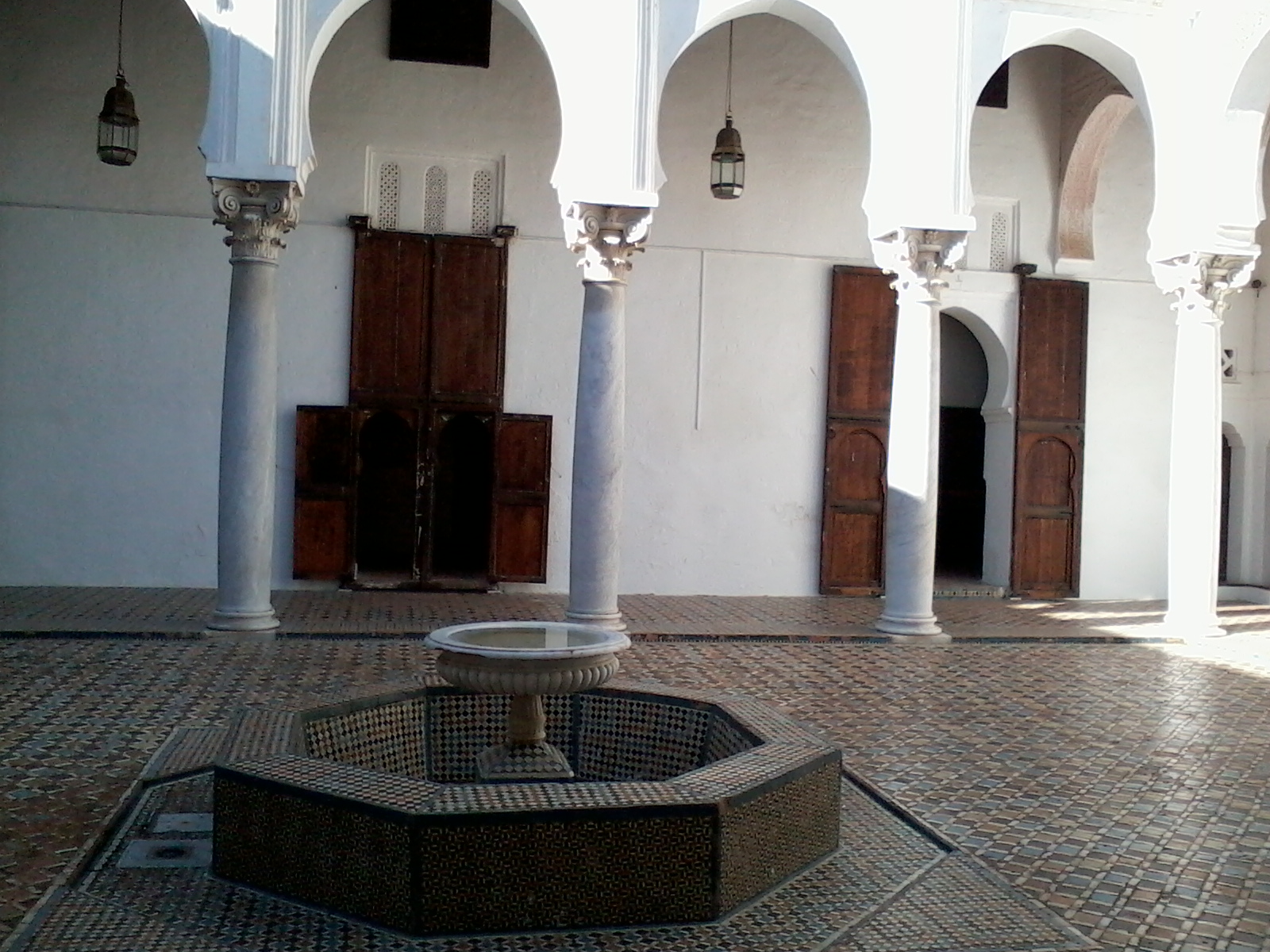
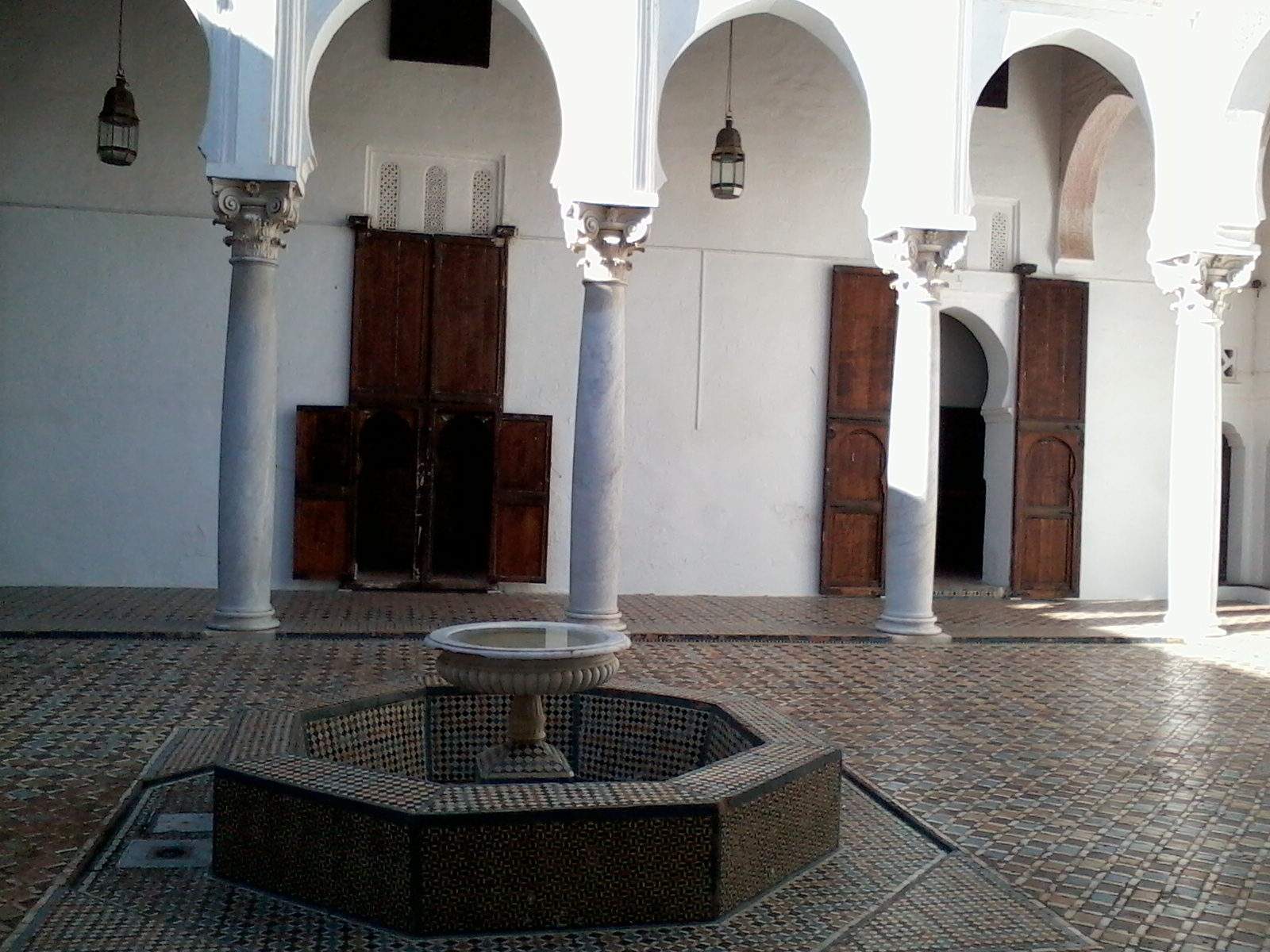
features. The style of the
decoration is typical Moroccan: coating ceiling, carved plaster, painted dome
or carved wood. However, curved
columns and composite capitals in white marble adorning the patio are European
elements.
The Museum
of the Kasbah reconstructs the major aspects of the material culture of the
city of Tangier and its region. The
exhibition is divided into three sections organized according to a path that
respects the architecture of the palace. It
illustrates the main features of this region that has played a unique role in
the relationship between Africa and Europe, serving as a crossing point between
the two continents via the Strait of Gibraltar, and constituting a place of exchange in the western
basin of the Mediterranean.
Café el Hafa, located along the cliff top overlooking the Bay of Tangier is one
of the most legendary cafés in Tangier.
Opened in 1921, the Café has retained its 1920s style of décor, and through the
years has been visited by numerous writers, painters and singers, from Paul Bowles and William
S. Burroughs, to The
Beatles and the Rolling
Stones. The Café is known for its mint tea, a Tangier special
brew, that we will taste too. Young local people usually meets at Café el Hafa
to spend the time in the terraces, drinking the typical mint tea, and watching the landscape, where in the clearest days the Spanish coast and wind turbines of Tarifa can be seen.
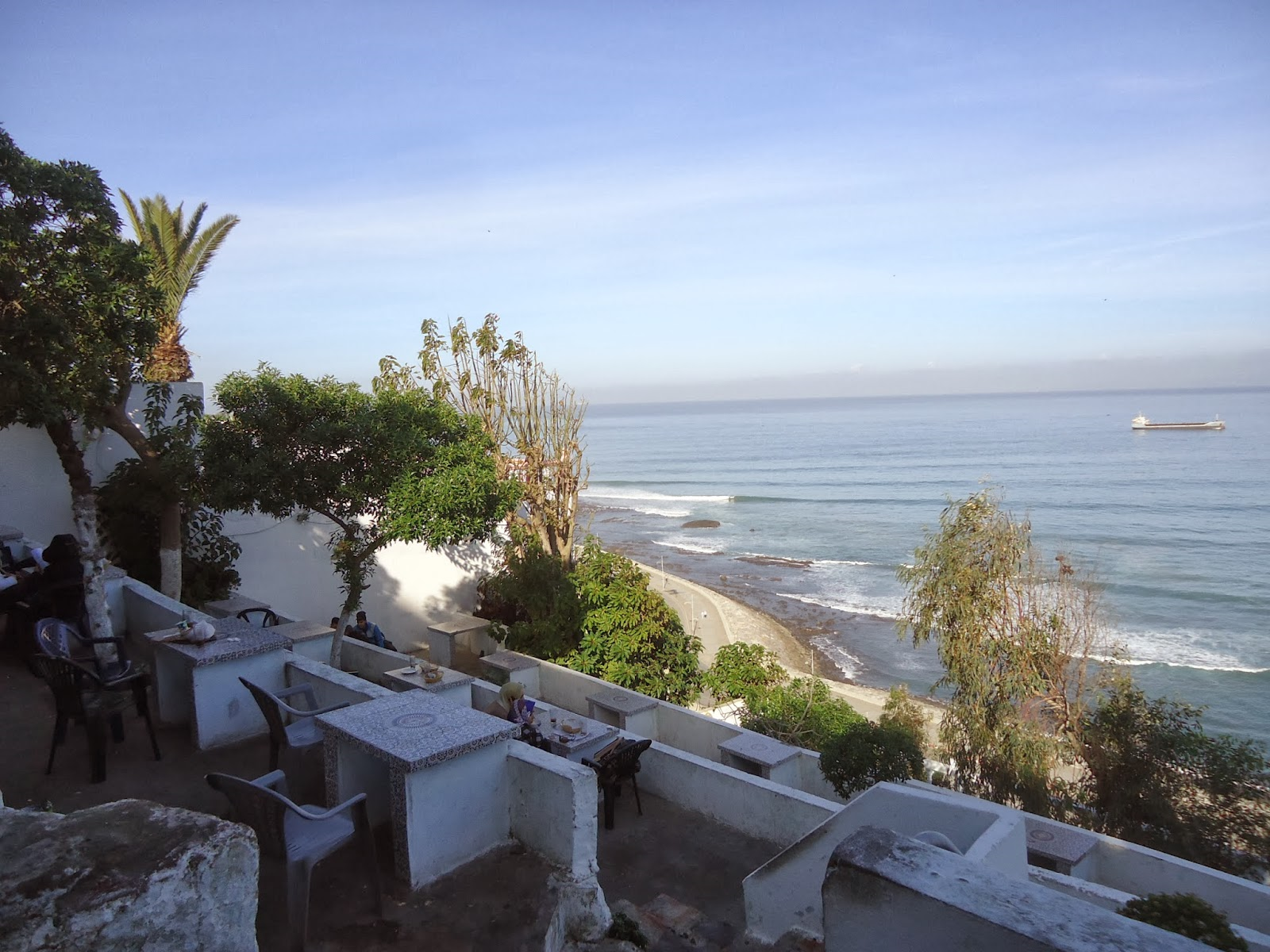
Café El Hafa
Cap Spartel is a promontory in Morocco about
1,000 feet (300 m) above sea level at the entrance to the Strait of Gibraltar, 12 km West of Tangier. Cape
Spartel is the most North Western point of mainland Africa. The cape rises to a
height of 326 m. at the top of Jebel Kebir where there is a
tower. There is another tower nearer to the end of the cape which serves as a
lighthouse. Below the cape are the Caves of Hercules. The caves have shown
evidence of Neolithic occupation. Near Cape Spartel, we find Spartel Bank, a sunken island hypothesized by some as the
location of the legendary island of Atlantis. In
the same Cape, there is a small restaurant where a small dinner will take place
watching the sunset over the Atlantic Ocean. Dinner cost is not included this
time, but it is not expensive.
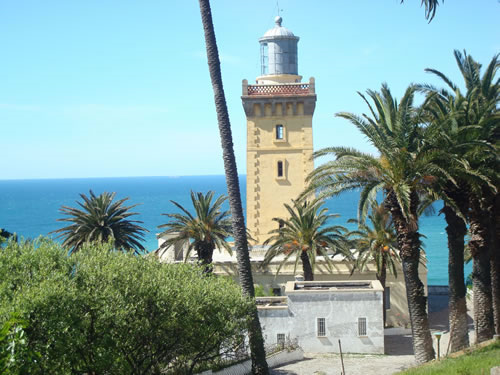
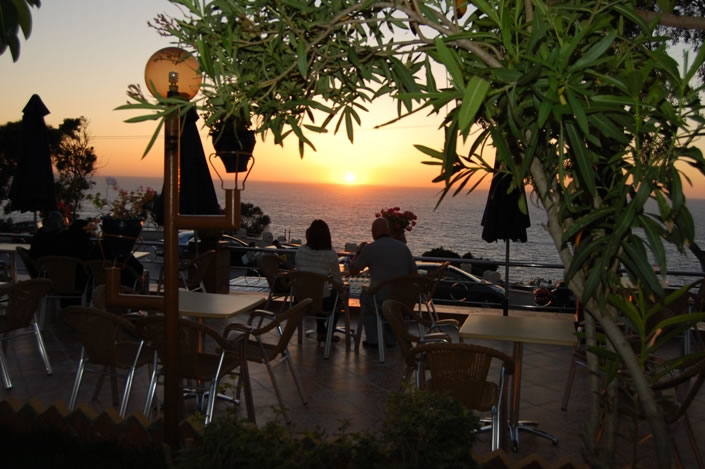
Cap Spartel and Restaurant
2) Tetouan
Visit (Accompanying Persons)
Thursday 25th, 10:00 h(*)
The second scheduled social
event, conceived for accompanying persons is a guided visit to the city of Tetouan. An air-conditioned bus will
leave from the front door of the Mövenpick Hotel at 10:00 am (to be confirmed).
This visit should cost less than 20 euro.
Tétouan. This city, named "the white", is situated in
the foothills of the Rif and facing the sea (57km from Tangier), its medina is
one of the most attractive of Morocco, Walking through its narrow streets lead
to squares full of color. Here, artisans are grouped by streets, according to
guilds: embroiderers, tanners, dyers, weavers ...
Not only the
old city capitalizes the touristic interest, there are also other attractive
things to see in the new quarters like the “white Dove” monument to peace.
Tetouan received a big influence from Al-Andalus, especially after XV century,
when the Spanish Christian kingdoms defeated the last Muslim enclave, the Granada
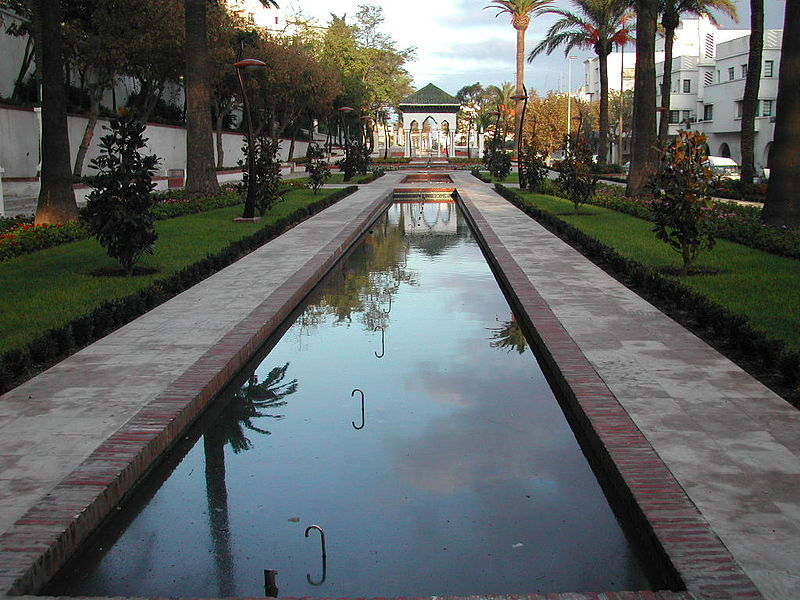
Kingdom in the Iberian peninsula. In fact, the “Garden of Lovers” or “Riad al
Ochak” is similar to the “Alhambra” gardens in Granada.
The enclosure has 7 medina carved doors, the most notably one being the “Bab Sebta” near a romantic Jewish cemetery and “Bab Oqla” near the Museum of Moroccan Arts. The medina has several mosques, probably the most beautiful of them is that of “Sidi Es-Said”, whose minaret is decorated with tiles, and the Zaouïa el-Abbasiya mosque in the street Safaïn. It is also recommended to visit the street “Ahmed Torres” and the souk “Houts”, placed in a wooded little square that welcomes ceramics and textiles vendors, cabinet makers, esparteros, and beauty products.
The “Ousaa” square, pleasantly shaded the whole day, and the
“Mellah”, the old Jewish quarter with its wrought iron balconies and large
windows, are also interesting places.
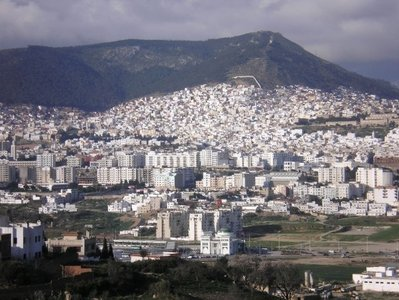
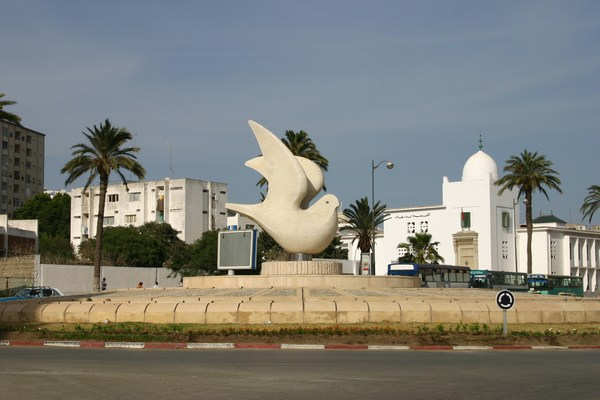
Tétouan,
General
View
White
Dove Square
3) Gala
Dinner
Thursday
26th, 21:00 h
This year, the
Gala Dinner will be held in the Restaurant
Layali in the Hotel Mövenpick in Tangier, at 21:00 hours. The decoration of
this restaurant simulates a khaima, and offers Moroccan and oriental cuisine.
Wonderful Moroccan rich food and traditional music are especially prepared for
you to appreciate and enjoy the unique glamour of the Moroccan culture.
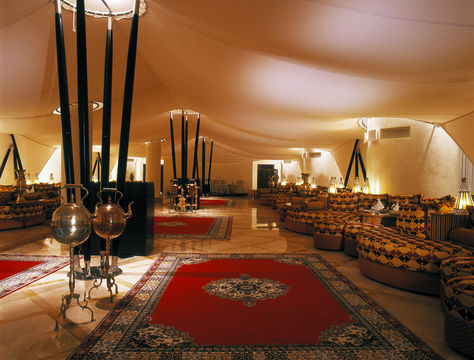
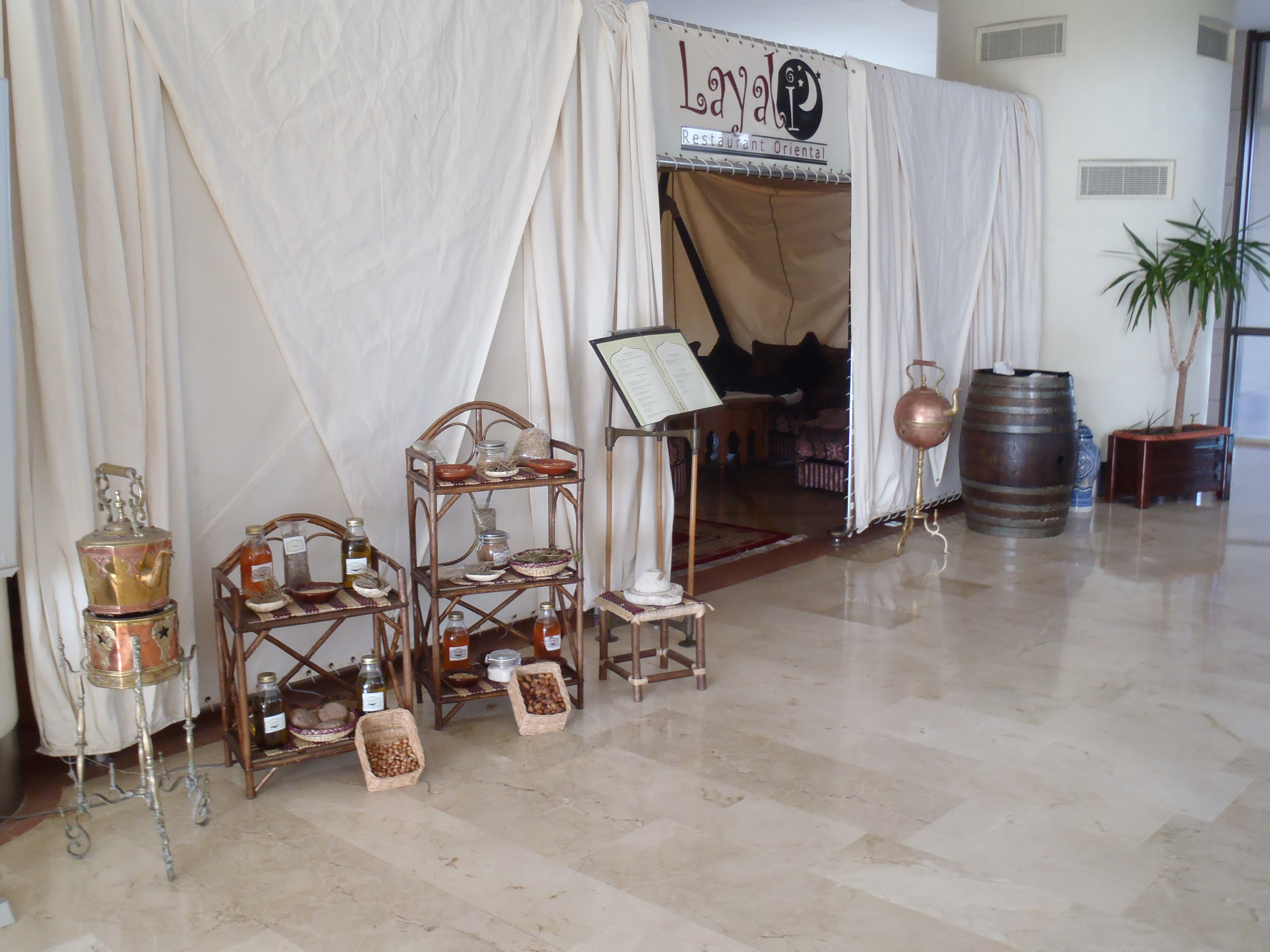
Restaurant Layali
4) Asilah Late-Afternoon Friday 26th, 17:00 h
After the gala dinner, the
last social event is a relaxing guided visit to the city of Asilah. Buses will
leave from the front door of the Mövenpick Hotel at 17:00. The price of this
tour is around 25 euro, including the dinner. People who want to participate in
this activity should talk with the conference reception desk staff.
Asilah is a seaside town, 46km south
of Tangier, with a long and eventful history that involved the Phoenicians,
Carthaginians, Romans, Idrissíes, Norman pirates, Portuguese, Spanish, and the
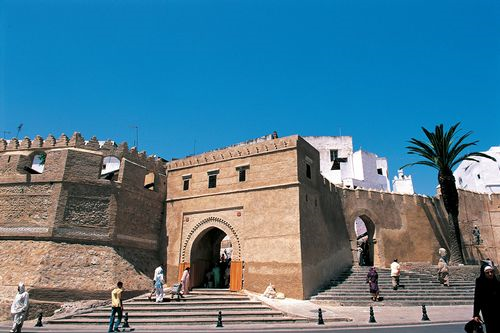
local population. The ancient city is surrounded by an ocher wall, where a
colorful market is held on Thursday morning, and wherein men and women dressed
in their traditional costumes, offer local products. Many hand-made paintings,
carpets, metallic plates, and other souvenirs can be found here and everywhere.
The walls include: Bab
el Bahar (sea gate), Bab Homar, also called door of the earth, and the Gate of
the Kasbah. Inside the old city, there are many typical streets of white
houses, with doors and windows painted blue or green. The “Ibn Khaldoun”
square, a must to see, is dominated by a red square tower called “El Hamra”
(Red).
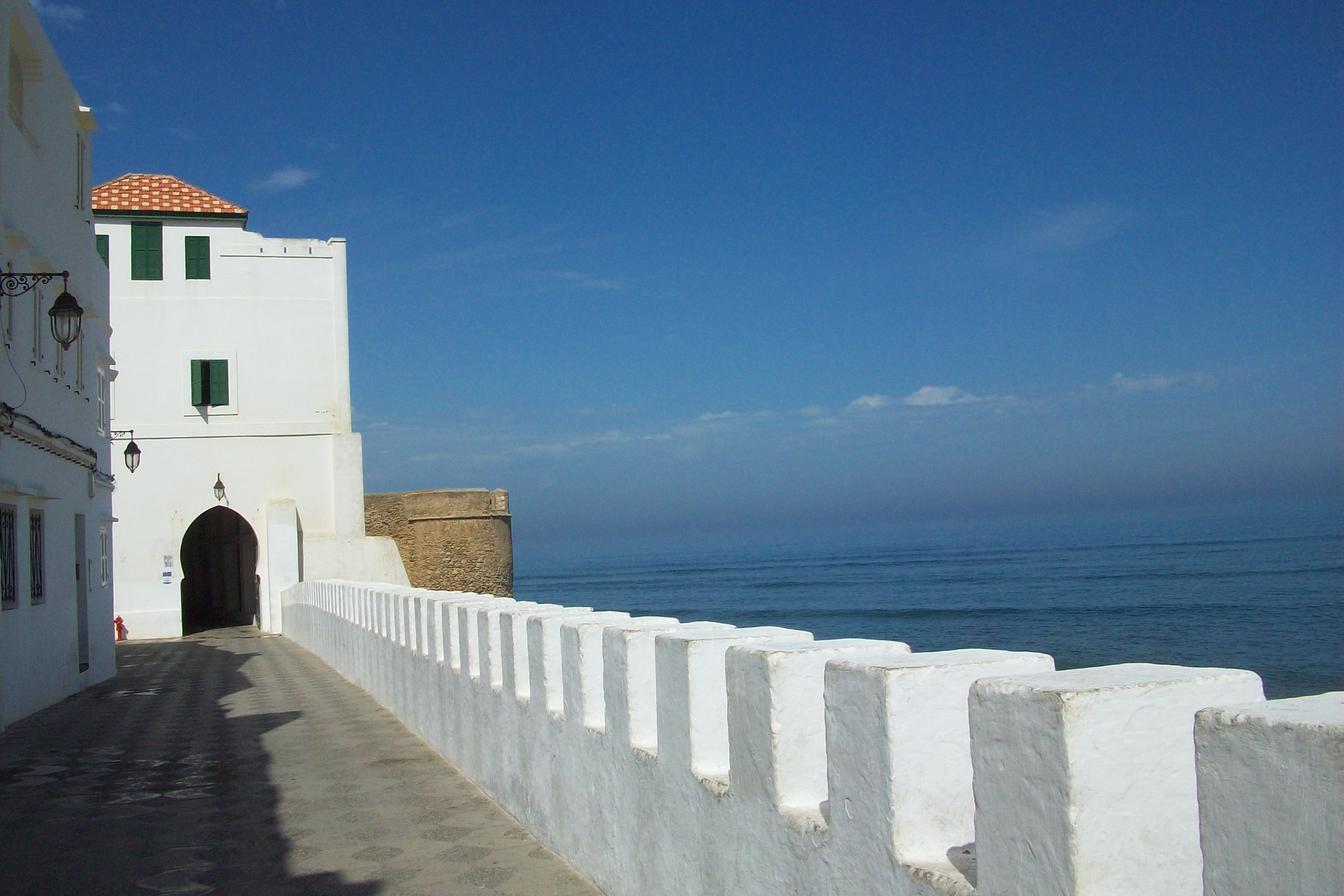
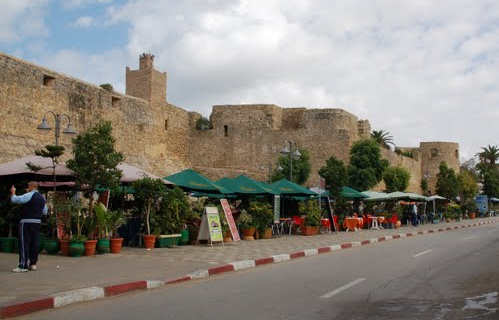
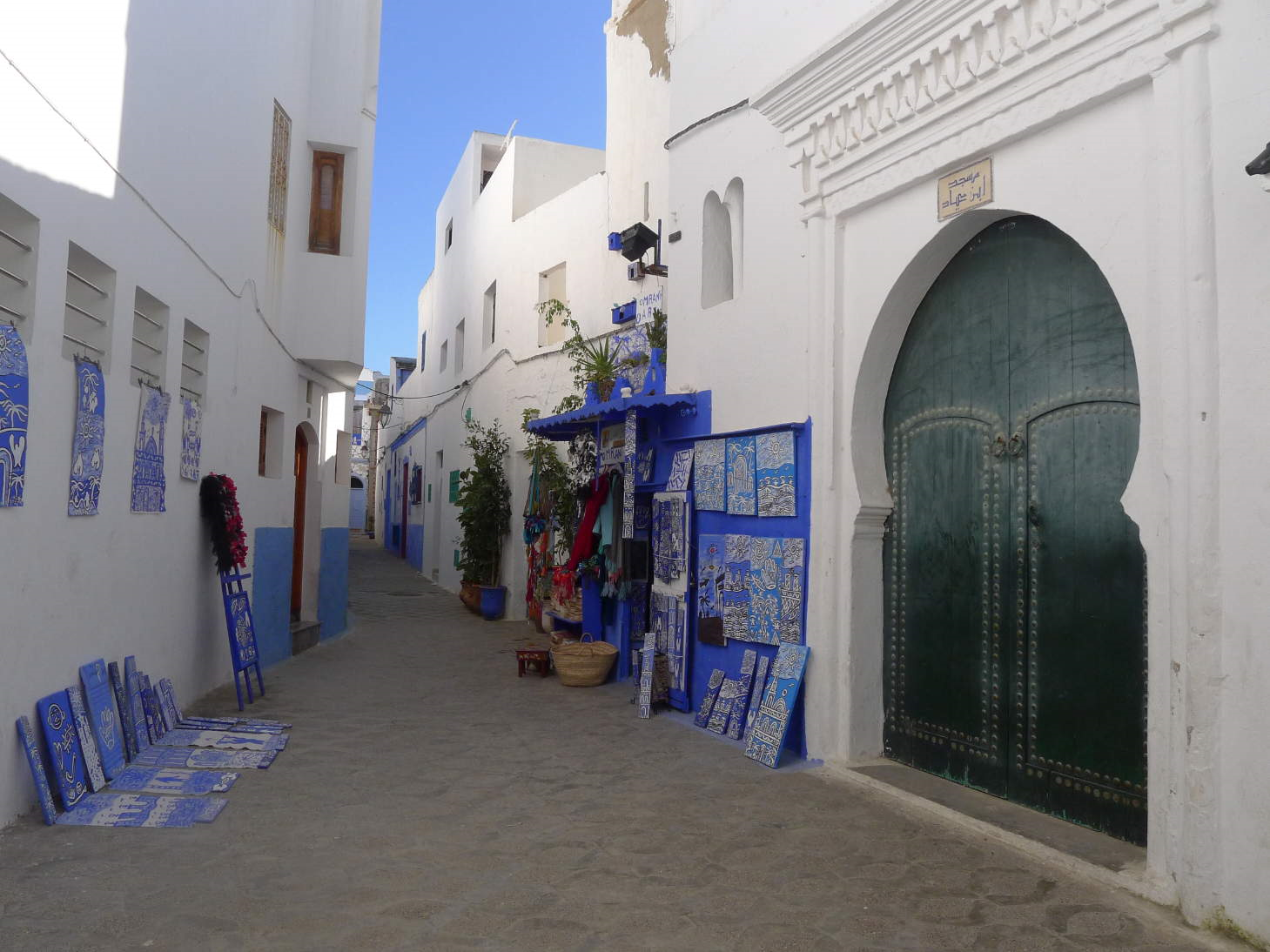
Assila Sea Front Assilah Ocher Wall Artists Street